












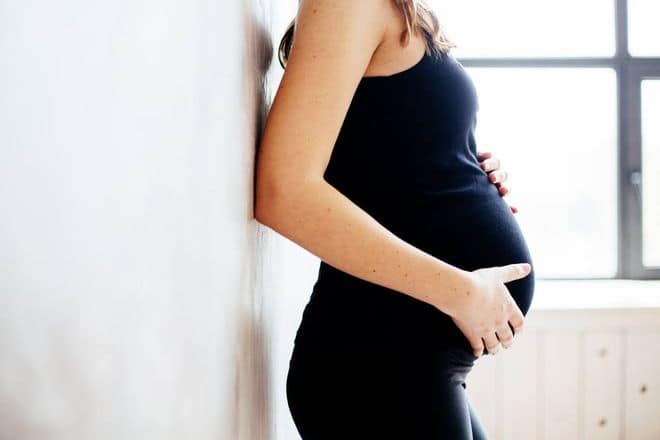
You made it through pregnancy, delivery, and newborn life, and now your hair seems to be everywhere except your head. Postpartum hair loss can feel alarming, but it’s also incredibly common.
Here’s what’s actually happening, how long postpartum shedding typically lasts, and when it may be time to get help.
Why Does Postpartum Hair Loss Happen?
During pregnancy, elevated hormone levels can keep more of your hair in its active growth phase. This is one reason many women notice that their hair looks especially full and thick while pregnant.
After delivery, hormone levels shift dramatically. Many of those hairs transition into the resting and shedding phases around the same time, resulting in what is known as postpartum telogen effluvium. That can mean noticeably more hair coming out while showering, brushing, or styling your hair.
When Does Postpartum Hair Loss Start?
Postpartum hair shedding commonly becomes noticeable a few months after giving birth rather than immediately. For many women, the shedding gradually improves as the hair-growth cycle normalizes.
But because hair grows slowly, returning to your previous density can take time. Those wispy “baby hairs” around the hairline? As frustrating as they can be to style, they may actually be a welcome sign of new growth.
How Can I Help My Hair Grow Back After Pregnancy?
First, remember that postpartum hair loss is not a reason to start throwing every trending supplement and serum at your scalp.
Hair loss can have multiple causes, and the postpartum period can also coincide with nutritional deficiencies, thyroid changes, stress, and underlying genetic hair thinning. If shedding is significant or persistent, a professional evaluation can help determine whether you’re experiencing typical postpartum hair loss or something else.
Supporting overall nutrition, minimizing unnecessary stress on fragile hair, and using appropriate hair-care products can all be helpful while your normal growth cycle returns.
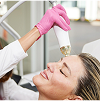
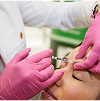
For patients who need additional support, a personalized hair restoration plan may include medical-grade at-home products, red light therapy, or regenerative in-office treatments when appropriate.
When Should I See a Provider About Postpartum Hair Loss?
If your shedding feels excessive, continues longer than expected, leaves visibly thin areas, or your hair density doesn’t seem to be returning, it’s worth having it evaluated.
At The Hair Lab™ by NicholsMD, our board-certified providers evaluate hair loss and hair thinning to help determine what may be contributing to it and create a personalized treatment plan.
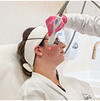
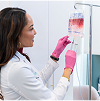
Depending on your needs and where you are in your postpartum journey, treatment options may include PRP hair restoration, regenerative treatments like Acorn, red light therapy with the Revian hair cap, and medical-grade hair products.
You don’t have to guess your way through postpartum hair loss.
Concerned about postpartum hair thinning or struggling to see your density return? Schedule a Hair Lab consultation at NicholsMD and let’s create a personalized plan for healthier, fuller-looking hair.