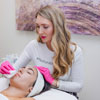
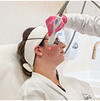
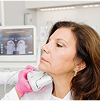
The world of aesthetic medicine is evolving rapidly, and one of the biggest shifts happening today is the rise of AI-assisted aesthetic consultations.
At NicholsMD, technology and artistry work hand in hand to create personalized treatment plans designed to help patients look refreshed, natural, and confident at every age.
One of the most exciting advancements in this space is Aura Imaging, an advanced facial analysis system that helps providers evaluate skin quality, facial structure, volume changes, and signs of aging with greater precision than ever before.
Using the same advanced imaging technology behind CLEAR, Aura Imaging allows the NicholsMD team to take a more customized, data-driven approach to precision anti-aging and natural-looking aesthetic results.
Aura Imaging is an advanced facial imaging and skin analysis system used during aesthetic consultations to provide a deeper understanding of how the face is aging both on the surface and beneath it.
Rather than relying on standard photography alone, Aura uses sophisticated imaging technology and AI-assisted analysis to evaluate multiple components of facial aging and skin health in extraordinary detail.
This technology helps create a highly personalized treatment plan tailored to each patient’s unique anatomy, skin quality, and long-term goals.
At NicholsMD, Aura Imaging is part of a modern approach to aesthetic medicine that prioritizes prevention, precision, and natural-looking results.
Aura Imaging provides a comprehensive analysis of facial structure, skin quality, symmetry, and age-related changes.
During a consultation, Aura can help evaluate:
Aura assesses multiple aspects of overall skin health, including:
This allows providers to better understand both visible and underlying concerns that may not always appear clearly in standard lighting or mirrors.
One of the most important aspects of facial aging is volume loss. Over time, collagen, fat pads, and bone support naturally shift, contributing to hollowing, sagging, and changes in facial contour.
Aura Imaging helps assess:
This is especially valuable when planning treatments such as filler, biostimulators, PRF, Ultherapy, and collagen-stimulating procedures.
Small differences in facial symmetry are completely normal, but understanding these nuances can help create more balanced, refined, and natural-looking aesthetic outcomes.
Aura Imaging helps providers evaluate:
At NicholsMD, this level of assessment supports a less-is-more philosophy focused on enhancing natural beauty rather than overcorrecting features.
One of the most exciting benefits of Aura Imaging is the ability to monitor subtle changes over time.
Because the system captures highly detailed imaging and analysis, patients can visually track improvements from treatments and skincare regimens more objectively.
This may include:
Tracking progress over time also allows treatments to evolve alongside the patient’s skin and facial aging process for a more customized and proactive approach.
AI is transforming aesthetic consultations by helping providers analyze facial aging patterns with greater accuracy and consistency.
Rather than replacing the expertise of a board-certified dermatologist or aesthetic provider, AI-assisted imaging enhances the consultation process by providing additional data and visualization tools that support personalized decision-making.
At NicholsMD, Aura Imaging is used to:
This technology allows consultations to become more collaborative, educational, and individualized.
Modern aesthetic medicine is no longer just about treating individual wrinkles or isolated concerns. The future of aging really well is about understanding the face holistically and creating thoughtful, customized treatment strategies that evolve over time.
That may include:
Aura Imaging helps support this precision anti-aging philosophy by giving providers a clearer picture of each patient’s unique facial anatomy, skin condition, and aging process.
Patients increasingly want aesthetic treatments that are:
Aura Imaging helps elevate the consultation experience by combining advanced technology with expert aesthetic judgment.
At NicholsMD, the goal is never to change how someone looks. It is to help patients look refreshed, healthy, vibrant, and like the best version of themselves.
NicholsMD is proud to offer Aura Imaging as part of its advanced consultation experience in Greenwich, Connecticut.
Founded by Harvard-trained, board-certified dermatologist Dr. Kim Nichols, NicholsMD combines cutting-edge technology with a concierge-level approach to precision anti-aging and natural-looking aesthetic care.
Whether you are interested in preventative treatments, skin rejuvenation, facial balancing, collagen stimulation, or simply understanding your skin more deeply, Aura Imaging provides a sophisticated new way to approach aesthetic medicine.
Ready to experience the future of aesthetic consultations? Book your consultation with NicholsMD today. (LINK TO BOOK)
The eyes are often the very first area of the face to show signs of aging. Fine lines, under-eye hollows, puffiness, festoons, drooping skin, and dark circles can make you appear tired, stressed, or older than you feel, even when you are well-rested.
At NicholsMD, eye rejuvenation is never approached with a one-size-fits-all mindset. Instead, our providers take a customized, precision anti-aging approach to restore a brighter, smoother, naturally refreshed appearance while preserving expression and facial harmony. The goal is never to look “done.” It is to look like the best version of yourself.
Total eye rejuvenation refers to a comprehensive treatment approach that addresses multiple concerns around the eyes simultaneously, rather than treating only one issue in isolation.
The eye area ages in several ways at once, including:
Because these concerns are interconnected, the best results often come from combining treatments strategically for a more complete and natural-looking transformation.
Botox and other neurotoxins such as Dysport, Xeomin, and Daxxify are among the most popular treatments for eye rejuvenation.
These treatments work by relaxing the muscles responsible for dynamic wrinkles around the eyes, including:
When performed by an experienced injector, neurotoxins can soften wrinkles while still maintaining natural movement and expression. At NicholsMD, the focus is always on refined, natural-looking results that never appear frozen or overdone.
Strategic neurotoxin placement can also create a subtle brow lift, helping the eyes appear more open, rested, and refreshed.
One of the most common concerns patients have is under-eye hollowness, also known as tear trough volume loss. As collagen and facial support structures naturally decline over time, the under-eye area can begin to look sunken or shadowed, contributing to a fatigued appearance.
Dermal filler can help:
At NicholsMD, under-eye filler is approached conservatively and artistically to maintain softness and avoid puffiness. The goal is subtle rejuvenation that brightens the eyes while keeping you looking completely like yourself.
For patients seeking regenerative treatments, PRP (Platelet-Rich Plasma) and PRF (Platelet-Rich Fibrin) are exciting options for eye rejuvenation. These treatments use your body’s own growth factors to help stimulate collagen production and improve skin quality around the eyes.
Benefits may include:
PRF is especially popular because it contains a higher concentration of fibrin and growth factors, allowing for slower release and prolonged rejuvenation effects. These treatments pair beautifully with other eye rejuvenation procedures for patients seeking a more comprehensive anti-aging plan.
Ultherapy is an FDA-cleared ultrasound treatment designed to lift and tighten skin non-surgically by stimulating collagen deep beneath the surface.
Around the eyes, Ultherapy can help:
Because collagen production continues gradually over time, results appear naturally and progressively, making Ultherapy a favorite for patients looking for subtle yet meaningful rejuvenation without surgery or downtime.
Festoons, or swollen pouches that form between the lower eyelid and cheek, are notoriously difficult to treat and are often resistant to skincare alone.
At NicholsMD, one of our favorite approaches for festoons and under-eye skin quality is The Greenwich Secret, our customized treatment featuring Secret RF microneedling technology.
This advanced radiofrequency microneedling treatment helps:
Because the treatment works beneath the surface of the skin, it can significantly improve the appearance of the under-eye area while maintaining natural facial movement and expression.
One of the biggest misconceptions about eye rejuvenation is that a single treatment can address every concern.
In reality, the most beautiful outcomes typically come from combining treatments thoughtfully. For example:
Together, these treatments create a more balanced, refreshed, and natural-looking result.
This is the essence of total eye rejuvenation: treating the eye area holistically and strategically rather than chasing one isolated concern.
At NicholsMD, eye rejuvenation is approached through the lens of precision anti-aging and natural-looking results. Every treatment plan is customized based on your anatomy, concerns, and long-term goals.
Whether you are noticing early fine lines or are looking for a more comprehensive under-eye rejuvenation plan, our team creates tailored treatment strategies designed to help you look refreshed, lifted, and vibrant at every age.
Because when the eyes look rested, the entire face looks brighter.
Ready to explore total eye rejuvenation? Schedule a consultation with the NicholsMD team (LINK TO BOOK) to learn which combination of treatments may be right for you.
If you’ve ever stepped on a scale and thought, this can’t be the full story, you’re right.
A traditional scale gives you one number. A SECA body composition analysis gives you a map – showing exactly what your body is made of, how it’s changing, and how to guide it toward better results.
At NicholsMD, SECA is a cornerstone of our precision anti-aging and weight optimization approach, especially for patients on GLP-1 therapies, body contouring plans, and hormone support.
What Is a SECA Body Composition Analysis?
SECA is a medical-grade body composition scan that uses bioelectrical impedance to break your body down into key components, far beyond just weight. Instead of guessing, it allows us to track fat, muscle, and metabolic health in real time, so every treatment plan is informed, intentional, and personalized.
What Does SECA Actually Measure?
1. Body Fat Percentage
This tells us how much of your body is made up of fat – not just your total weight.
2. Visceral Fat
This is the fat stored deeper in the abdomen, around your organs.
3. Skeletal Muscle Mass
One of the most important – and most overlooked – metrics.
This is where treatments like Emsculpt and personalized nutrition strategies come into play – ensuring your results look strong, toned, and natural.
4. Total Body Water (and Hydration Balance)
Hydration impacts everything from skin quality to energy levels.
5. Basal Metabolic Rate (BMR)
Your BMR is the number of calories your body burns at rest.
6. Segmental Analysis (Where Changes Are Happening)
SECA can break down body composition by region – arms, legs, and trunk.
Why SECA Is Essential for GLP-1 Weight Loss
GLP-1 medications are incredibly effective – but without proper monitoring, patients can lose:
SECA allows us to ensure that your results are:
At NicholsMD, we use SECA to guide a comprehensive plan that may include:
Beyond Weight Loss: A Smarter Approach to Body Optimization
SECA isn’t just for patients actively trying to lose weight.
It’s a powerful tool for anyone looking to:
Because ultimately, how you look and feel is not defined by a number—it’s defined by the quality and balance of your body composition.
At NicholsMD, this data-driven approach allows us to move beyond guesswork and into precision, personalization, and truly optimized results – whether you’re on a GLP-1 journey, building muscle, or simply looking to age exceptionally well.
If your skin looks smoother, more hydrated, and quietly radiant, but not “done” – there’s a good chance you’re looking at the results of a skin booster. Skin boosters are one of the fastest-growing categories in aesthetic dermatology, designed to improve skin quality from within rather than alter facial structure. Think of them as injectable skincare – but with real, long-term impact.
What Exactly Is a Skin Booster?
A skin booster is a treatment that uses microinjections of ingredients – most commonly hyaluronic acid – to improve:
Unlike traditional dermal fillers, skin boosters are not designed to add volume or contour. Instead, they work more diffusely, enhancing the quality of the skin itself.
SkinVive™: The First FDA-Approved Skin Booster
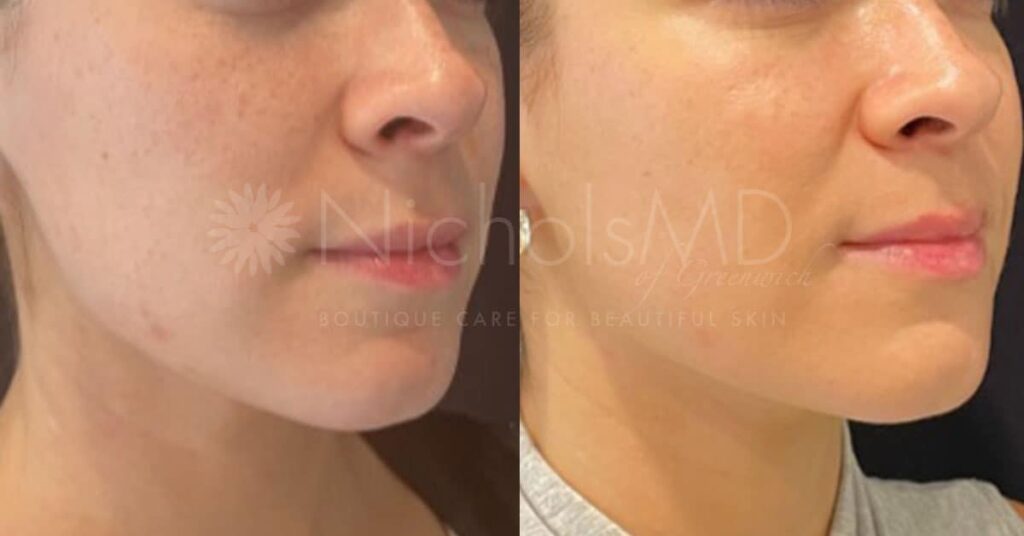
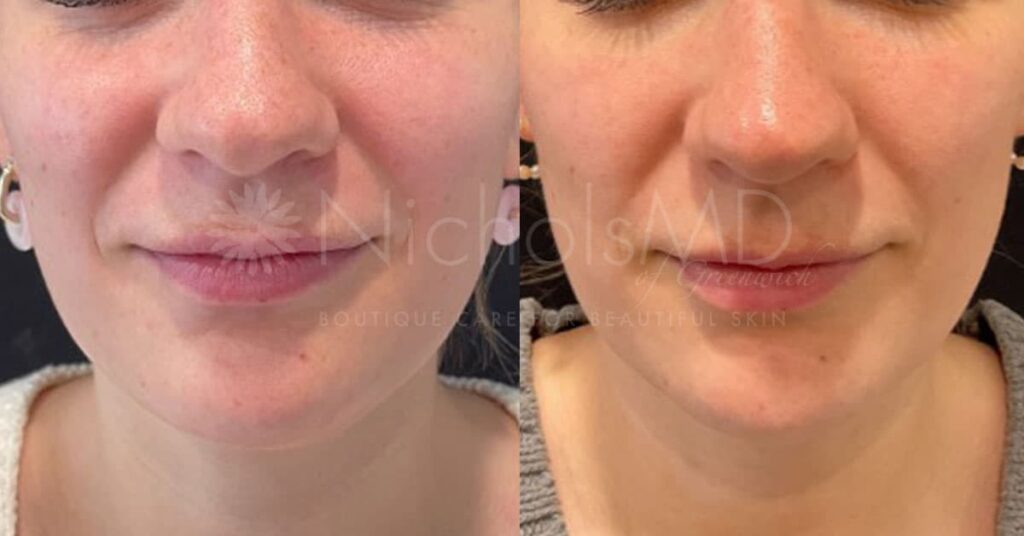
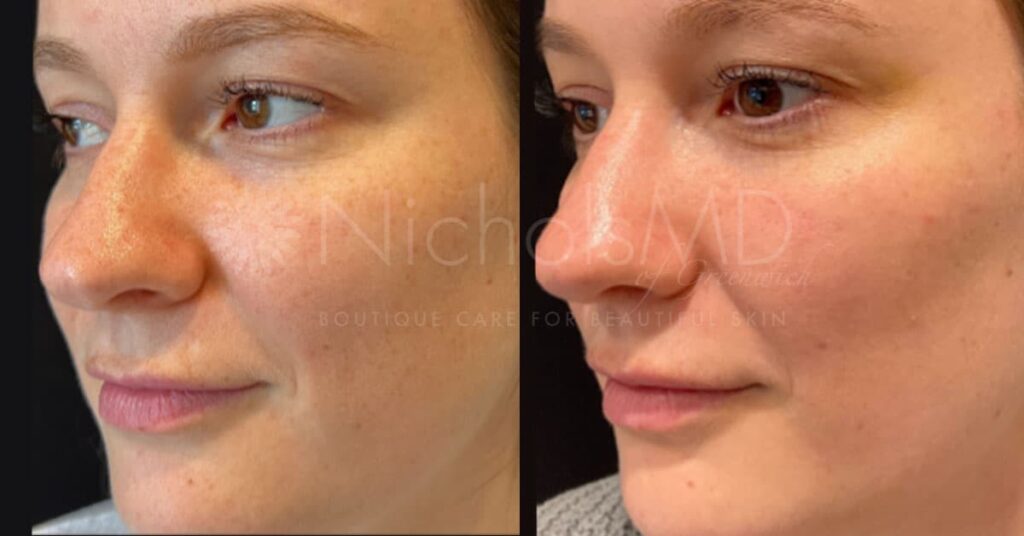
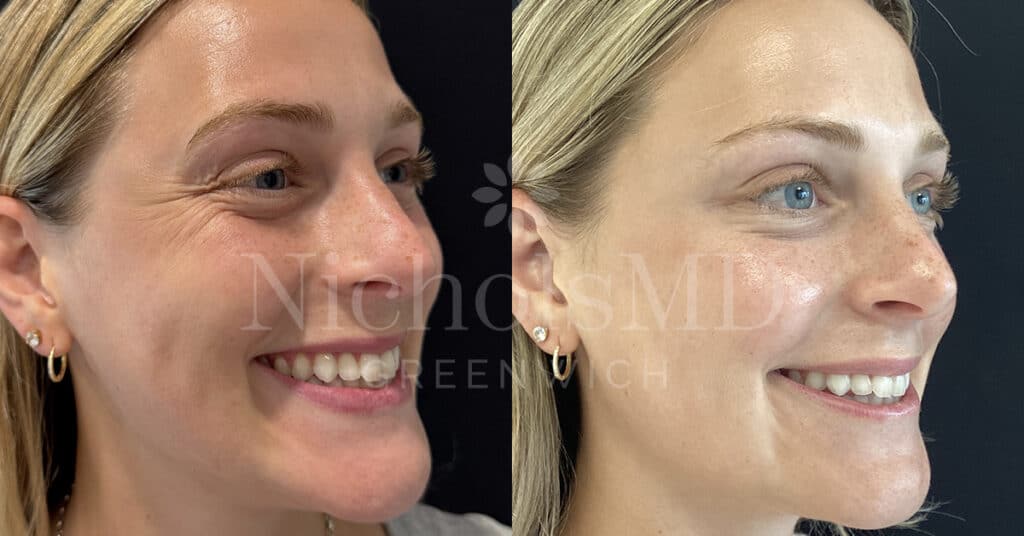
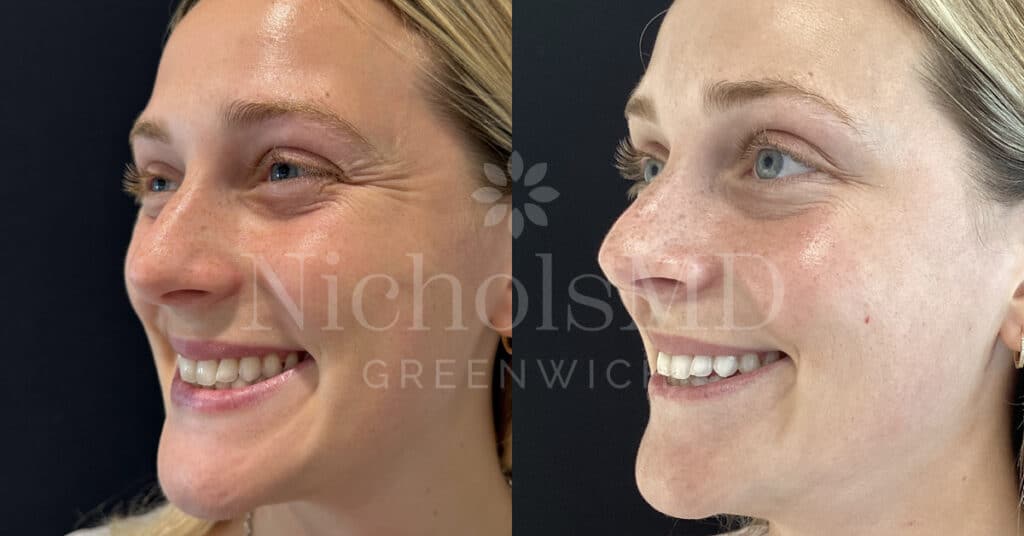
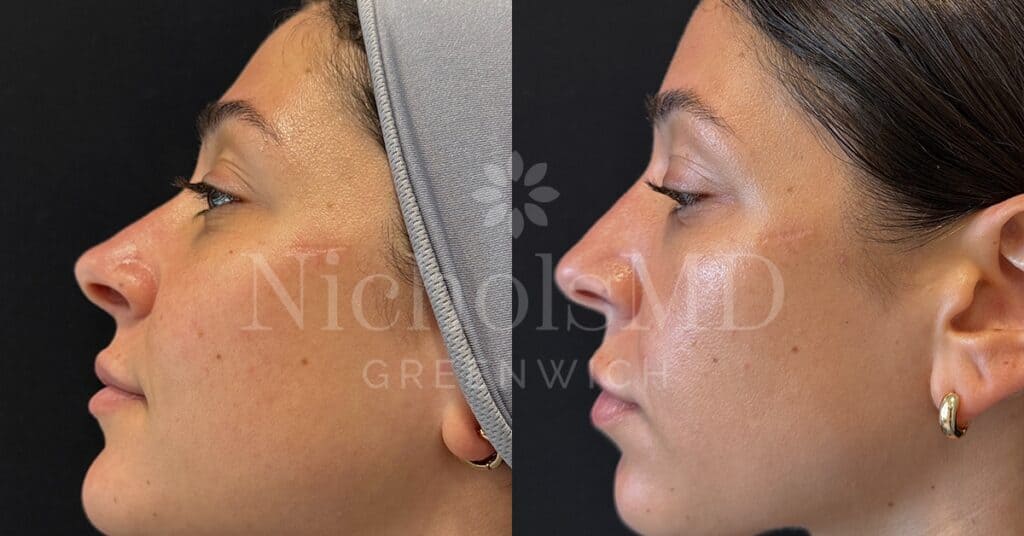
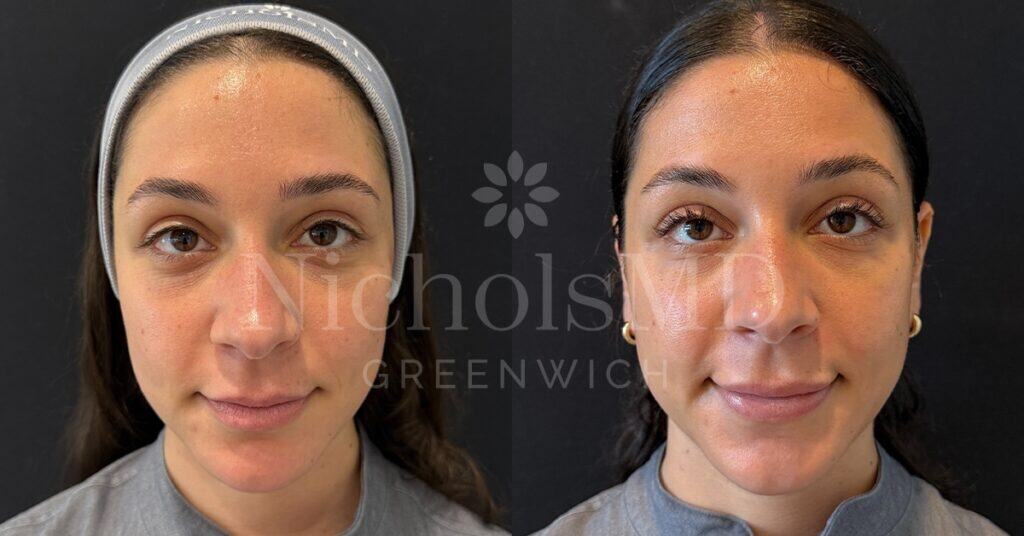
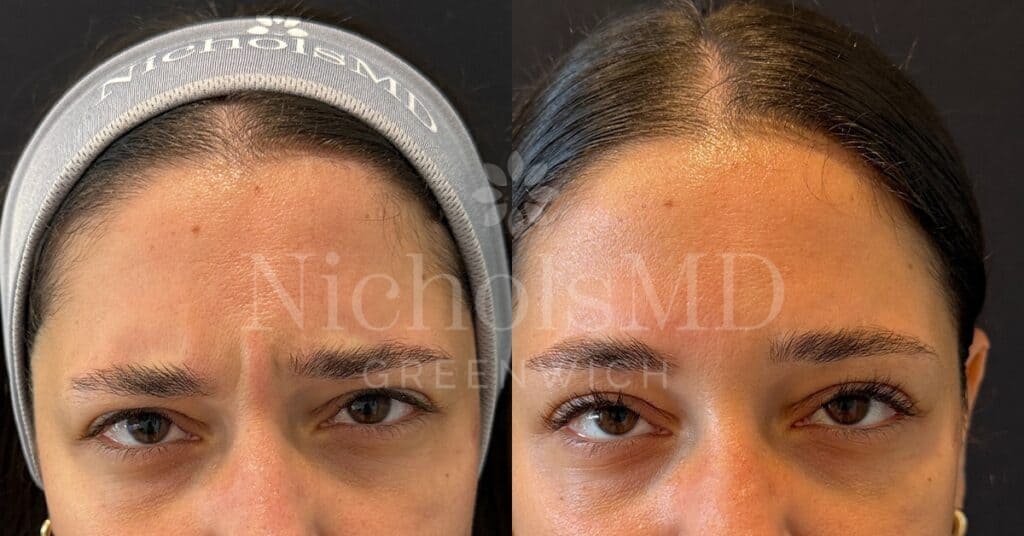
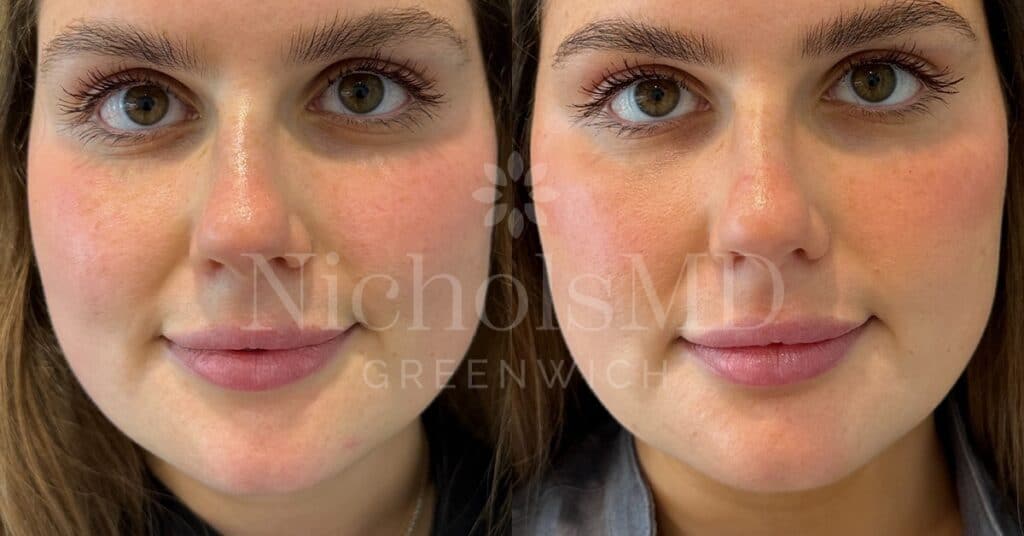
One of the most talked-about options right now is SkinVive by Juvéderm – a treatment our patients have been loving since we brought it on!
It’s a perfect example of the shift toward natural-looking, skin-first results – a hallmark of modern aesthetic treatments.
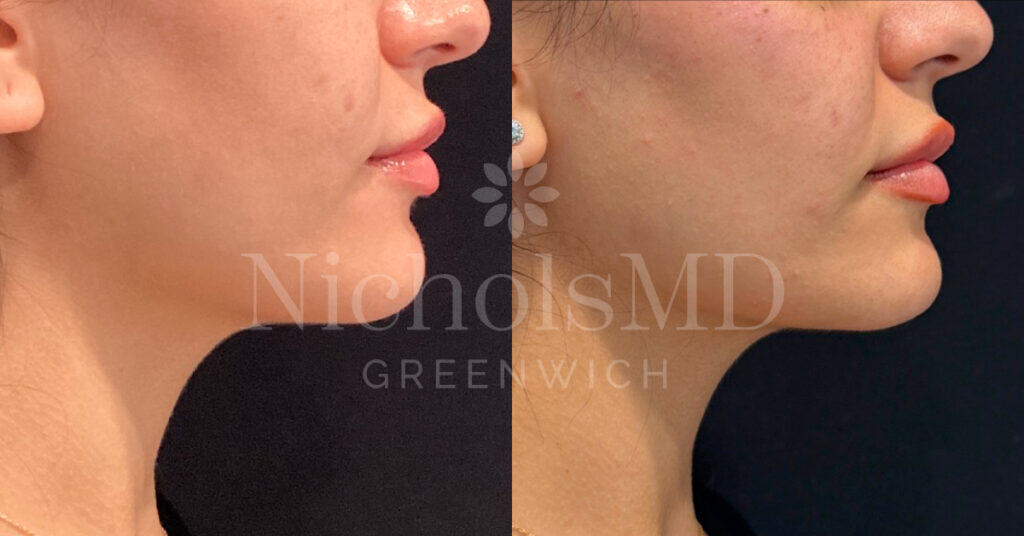
Are Sculptra and Other Injectables Skin Boosters?
Sculptra
That said, Sculptra does improve skin quality – so while it’s not classified as a skin booster, it’s often part of the same conversation around collagen stimulation and long-term skin health.
Other Treatments Often Grouped with Skin Boosters
While definitions vary globally, these treatments are often discussed alongside skin boosters:
Each works differently, but all share a similar goal: healthier, more resilient skin from within.
Why Skin Boosters Are So Popular Right Now
Skin boosters align perfectly with today’s shift toward:
They’re ideal for patients who want to look refreshed without looking like they’ve had anything done.
Who Is a Good Candidate?
Skin boosters are a great option if you’re noticing:
They also pair beautifully with treatments like laser resurfacing, RF microneedling (The Greenwich Secret), and customized facials to enhance and extend results.
The Takeaway
Skin boosters are redefining modern aesthetic dermatology – shifting the focus from correction to optimization. If fillers sculpt and contour, skin boosters refine and perfect – creating that smooth, hydrated, effortlessly radiant finish that looks like you, just elevated.
For many patients, the first step into aesthetic treatments can feel overwhelming. With so many options available, knowing where to begin is less about choosing a trending treatment—and more about choosing the right one for you.
At NicholsMD, we believe your first treatment should be subtle, strategic, and rooted in long-term skin health.
Before any treatment is performed, the most important step is a comprehensive consultation.
This is where we assess your skin, understand your goals, and map out a personalized plan. At NicholsMD, consultations may include advanced imaging to evaluate skin quality, structure, and early changes—allowing for precise, customized recommendations.
One of the most effective entry points into aesthetics is Botox, particularly when approached conservatively.
For patients focused on overall skin quality, treatments like Clear + Brilliant and Laser Genesis offer an ideal introduction.
These treatments are often considered foundational for maintaining consistently healthy, glowing skin.
If your goal is a pre-getaway or event glow-up, our Weekender Treatment combines Laser Genesis with AquaGold for a dewy, radiant complexion.
For those looking to begin with something approachable yet effective, customized facials offer both immediate results and long-term skin support.
Your first treatment sets the tone for everything that follows.
At NicholsMD, aesthetics are approached as a long-term partnership—prioritizing education, subtlety, and results that evolve naturally over time.
With expert guidance, advanced technology, and a commitment to natural-looking results, your starting point becomes the foundation for skin that continues to improve for years to come.
Schedule a consultation with our team of board-certified providers today.
As the seasons shift and more skin is exposed, one of the most common questions we hear at NicholsMD is: what truly works for skin tightening—without surgery or significant downtime?
The answer is not a single treatment, but a strategic, layered approach rooted in collagen stimulation, precision technology, and individualized planning.
Skin laxity develops over time due to a natural decline in collagen and elastin, compounded by environmental exposure, weight fluctuations, and intrinsic aging.
While many treatments promise “tightening,” few are designed to meaningfully stimulate the deeper structural layers of the skin where true change occurs.
At NicholsMD, we focus on treatments that rebuild and support the skin from within—delivering natural-looking, long-term results rather than temporary surface-level improvements.
One of the most established and clinically studied technologies for non-surgical skin tightening, Ultherapy uses focused ultrasound energy to stimulate collagen production at the foundational layers of the skin.
This is a cornerstone treatment for patients seeking subtle, natural lifting without disruption to their routine.
Our signature treatment, The Greenwich Secret, combines radiofrequency microneedling with customized topicals such as PRF or exosomes to enhance results.
Compared to standard RF microneedling treatments, our approach is tailored, layered, and designed to deliver refined, natural-looking results.
While traditional fillers add immediate volume, biostimulatory injectables like Sculptra and Radiesse work differently—stimulating your body’s own collagen production over time.
These treatments are often paired with energy-based devices for a comprehensive tightening strategy.
In some cases, what appears to be “loose skin” is actually a combination of skin laxity and underlying volume loss—particularly in areas like the hips, buttocks, and body contours following weight loss.
AlloClae represents the next evolution of non-surgical body contouring, offering structural volume that integrates with your tissue.
Rather than replacing tightening treatments, AlloClae complements them—restoring foundational support so the skin appears smoother, firmer, and more balanced overall.
No two patients experience aging in the same way, which is why no single treatment is universally “best.”
At NicholsMD, every plan is built around your anatomy, timeline, and long-term goals. Using advanced imaging and in-depth consultation, we design treatment plans that combine modalities for results that are both visible and refined.
Skin tightening is not about chasing quick fixes—it’s about rebuilding structure, stimulating collagen, and treating the skin with precision.
At NicholsMD, the goal is never to look different. It’s to look like yourself, with skin that feels firmer, smoother, and naturally lifted over time.
When patients ask how to improve the appearance of the chest or breasts, the conversation has shifted. It’s no longer just about dramatic surgical change – it’s about refinement, restoration, and natural-looking results. Whether you’re noticing volume loss, skin changes, or textural concerns, today’s non-surgical options allow for a more tailored, subtle approach.
Why the Chest Area Changes Over Time
The chest and breast area are uniquely affected by:
These factors can lead to:
The key is identifying what’s causing the change – because that determines the most effective treatment plan.
Non-Surgical Treatments for the Chest & Breasts
At NicholsMD, we approach this area with precision, focusing on restoring balance and enhancing what’s already there—never overcorrecting.
Volume Restoration & Contour Refinement: AlloClae
For patients experiencing volume loss or contour irregularities, AlloClae offers a next-generation, non-surgical solution.
This advanced injectable uses a purified adipose matrix to provide soft, structural volume that integrates with your tissue – making it ideal for:
Because it works with your body’s own structure, results are natural-looking and harmonized with your proportions.
Improving Scarring & Skin Texture: The Greenwich Secret
For concerns like scarring, uneven texture, or skin quality, The Greenwich Secret – our signature RF microneedling treatment – helps rebuild collagen and improve the skin from within.
This treatment is especially effective for:
Over time, skin appears smoother, firmer, and more refined.
Natural-Looking Lift & Rejuvenation: PRF
For patients looking for a subtle lift and rejuvenation without adding volume, PRF (Platelet-Rich Fibrin) offers a regenerative approach.
Using your body’s own growth factors, PRF helps to:
It’s an ideal option for those who want gradual, understated improvement.
A Customized Approach Is Key
No two patients – and no two concerns – are the same. Some may benefit from restoring volume, while others need collagen stimulation, skin tightening, or a combination of treatments.
That’s why the most effective results come from a personalized plan designed around your anatomy, goals, and timeline.
The Takeaway
If you’ve been wondering what treatments can improve the appearance of your chest or breasts, the answer isn’t one-size-fits-all – it’s strategic, subtle, and highly customized. At NicholsMD, we specialize in #NaturalAtNichols results, using advanced, non-surgical treatments to restore confidence and enhance your shape – without compromising what makes you you.
If you’ve ever caught your reflection and thought, “My face looks great… but my neck?” – you’re not imagining it. The neck is often one of the first areas to show signs of aging, and it tends to progress faster than the face.
Here’s why – and what you can do about it.
Why the Neck Ages Differently
The skin on the neck is structurally different from the skin on your face. It’s thinner, more delicate, and has fewer oil glands, making it more prone to dryness, crepiness, and early collagen loss.
At the same time, the neck is constantly in motion. Repetitive bending (hello, “tech neck”), posture, and even sleep positions contribute to horizontal lines and skin laxity over time.
And unlike the face, the neck is often overlooked when it comes to daily skincare and sun protection, accelerating visible aging.
The Real Reason It Looks Worse, Faster
Neck aging isn’t just one issue, it’s typically a combination of:
Which is why a one-size-fits-all treatment approach rarely works.
How We Treat Neck Aging at NicholsMD
At NicholsMD, we take a customized, precision-based approach to treating the neck—because the cause determines the treatment.
For lines and movement:
Neuromodulators like Botox or strategically placed “Minitox” help soften horizontal lines and relax vertical neck bands for a smoother, more refined appearance.
For crepey skin and texture:
The Greenwich Secret (our signature RF microneedling treatment) stimulates collagen production to improve skin quality, firmness, and overall texture from within.
For tone, sun damage, and fine lines:
Laser resurfacing with Fraxel helps refine the skin’s surface, improving clarity, smoothness, and early signs of aging.
For laxity and loss of firmness:
Ultherapy uses ultrasound technology to lift and tighten deeper layers of the skin. We call this our gold standard in skin tighening and lifting because it addresses the SMAS (the same layer addressed in facelifts) with no surgery and little to no downtime!
For structural support and deeper lines:
In select cases, dermal filler may be used conservatively to support the jawline or soften etched-in lines, while Sculptra works gradually to stimulate your body’s own collagen for long-term improvement in skin thickness and elasticity.
The Takeaway
If your neck is aging faster than your face, it’s not just about time – it’s about anatomy, movement, and often, missed prevention. The key to natural, seamless results is treating the neck with the same level of intention as the face – using the right combination of treatments based on your unique concerns.
At NicholsMD, we specialize in creating #NaturalAtNichols results – so your neck and face age not separately, but beautifully, together.
When patients come in asking about Morpheus8 RF Microneedling Device or other radiofrequency microneedling treatments, they’re usually searching for one thing: smoother, tighter, more radiant skin – without looking like they’ve “had something done.” At NicholsMD, that’s exactly where The Greenwich Secret™ comes in.
What Is The Greenwich Secret™?
The Greenwich Secret™ is our signature, highly customized RF microneedling treatment enhanced with regenerative topicals like PRF and exosomes. While traditional RF microneedling devices deliver heat and controlled micro-injury to stimulate collagen, we take it several steps further – because results should feel as elevated as the experience itself.
Why RF Microneedling Works (and Why Patients Are Asking About It)
RF microneedling has become one of the most searched skin treatments for a reason. By combining microneedles with radiofrequency energy, it:
Devices like Morpheus8 RF Microneedling Device have helped bring awareness to this category – but not all treatments are created equally.
What Makes The Greenwich Secret™ Different
This is where we separate from the standard, one-size-fits-all approach.
1. True Customization
Every treatment is tailored – depth, energy, technique, and pairing—based on your skin, your goals, and your long-term plan. No presets. No shortcuts.
2. Regenerative Enhancement
We amplify results with PRF, Sculptra, or Plated Exosomes, helping to accelerate healing, boost collagen, and enhance overall skin quality. Think: not just repair, but refinement.
3. Precision
Our approach is strategic and precise, prioritizing natural-looking outcomes with minimal downtime.
4. The NicholsMD Experience
From consultation to treatment, this is not a transactional appointment – it’s a comprehensive skin strategy. We’re not just treating what you see today; we’re planning for how your skin evolves over time.
The Benefits Patients Notice Most
And importantly: results that still look like you. Just elevated.
Is It Better Than Morpheus8?
Patients often ask this directly. The answer isn’t just about the device—it’s about how it’s used.
While devices like Morpheus8 RF Microneedling Device are powerful, The Greenwich Secret™ is a protocol, not just a platform. It’s the combination of:
That’s what makes the difference – and what makes it a true “secret” among those in the know.
Who Is It Best For?
The Bottom Line
RF microneedling is one of the most effective non-surgical skin rejuvenation treatments available today – but The Greenwich Secret™ is how we make it exceptional.
At NicholsMD, it’s not about chasing trends. It’s about refining them into something more thoughtful, more precise, and ultimately, more you.