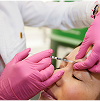
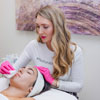
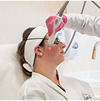
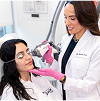
“Glass skin” has officially become one of the most searched skincare trends in the world and for good reason. Patients today are no longer chasing heavy makeup or dramatic transformation. Instead, they want healthy, hydrated, radiant skin that looks naturally smooth, refined, and luminous.
But what actually creates glass skin?
At NicholsMD of Greenwich, we believe glass skin is less about filters and more about skin quality. True glow comes from combining medical-grade skincare, collagen stimulation, hydration, and personalized in-office treatments that improve the skin itself.
Glass skin refers to skin that appears:
Despite social media making it look effortless, glass skin is rarely achieved through one product alone. It’s typically the result of:
One of the most exciting treatments for glass skin right now is SkinVive by Juvéderm.
Unlike traditional filler, SkinVive is designed to improve skin hydration, smoothness, and luminosity rather than add volume. Tiny microdroplets of hyaluronic acid are placed beneath the skin to help create a healthy, dewy glow from within.
Patients love SkinVive because it helps skin look:
It’s become one of the most requested “quiet luxury” injectable treatments for patients wanting healthy-looking skin without looking “done.”
Many people do not realize that Botox and other neuromodulators can also contribute to glass skin. When strategically placed by an experienced injector, neuromodulators help soften repetitive facial movement that contributes to:
By creating smoother skin movement and refined texture, treatments like Botox can help skin reflect light more evenly, contributing to that polished, glass-like finish. At NicholsMD, our philosophy is always natural-looking results that help patients look refreshed, rested, and like the best version of themselves.
One of our favorite treatments for improving skin quality and achieving glass skin is The Greenwich Secret™, our customized RF microneedling treatment. RF microneedling combines radiofrequency energy with collagen stimulation to improve:
The result is smoother, tighter, healthier-looking skin with significantly improved radiance over time. Because treatment plans can be customized with targeted serums and regenerative add-ons, it has become a cornerstone treatment for patients focused on long-term skin quality and precision anti-aging.
Need radiant, dewy skin before a vacation, wedding, photoshoot, or event? The Weekender™ has become one of our go-to treatments for immediate glow.
This treatment combines:
Together, they help create smoother, brighter, more luminous skin with minimal downtime. Laser Genesis helps reduce redness and stimulate collagen, while Aquagold delivers customized ingredients directly into the skin through microchanneling for that filtered, pore-refined glow patients love. It’s one of the ultimate “you look amazing but I can’t figure out why” treatments.
While in-office treatments can dramatically accelerate results, daily skincare matters just as much.
One of the biggest skincare trends right now is peptide-powered wrinkle support and for good reason.
The combination of SkinCeuticals P-TIOX Serum and SkinCeuticals P-TIOX Wrinkle-Modulating Peptide Cream helps support:
Patients love that the serum and cream layer beautifully together while helping skin appear soft, polished, and luminous without feeling heavy.
To achieve healthy, glowing skin, we often recommend:
The healthiest, most beautiful skin is not poreless, filtered, or overly treated. Real glass skin is:
At NicholsMD, we believe the best results are the ones that still look like you, just brighter, smoother, fresher, and more radiant.
From acne breakouts and rosacea flare-ups to eczema, inflammation, and dull skin, more patients are asking the same question lately: Can my gut health actually affect my skin?
The short answer? Yes.
As dermatologists continue to study the connection between internal health and skin health, one thing is becoming increasingly clear: your skin and your gut are deeply connected. This relationship is often referred to as the gut-skin axis, and it’s changing the way we think about healthy, glowing skin. At NicholsMD of Greenwich, we believe beautiful skin starts with a comprehensive, evidence-based approach that looks beyond surface-level skincare alone.
The gut-skin axis refers to the ongoing communication between your digestive system, immune system, hormones, and skin.
Your gut microbiome, which consists of trillions of bacteria and microorganisms living in the digestive tract, plays a major role in:
When the gut microbiome becomes disrupted, it can contribute to systemic inflammation throughout the body, including the skin.
This may present as:
While not every skin issue originates internally, dermatologists are increasingly seeing connections between gut imbalance and chronic inflammatory skin conditions.
Some common signs include:
Many patients are surprised to learn that chronic stress, poor sleep, highly processed diets, alcohol intake, and inflammation can all impact both gut health and skin quality simultaneously.
Absolutely. Stress is one of the biggest contributors to inflammation within the body.
When cortisol levels rise chronically, patients may experience:
This is why healthy skin is never just about products. Lifestyle factors like sleep, stress management, nutrition, and overall wellness can significantly influence skin health and aging.
At NicholsMD of Greenwich, we approach skin health through both prevention and personalization.
Some Dr. Nichols-recommended ways to support the gut-skin connection include:
Focus on:
Reducing excess sugar and ultra-processed foods may also help minimize inflammation in some patients.
Over-exfoliation and aggressive skincare routines can worsen inflammation.
A simplified, evidence-based skincare routine focused on hydration and barrier support is often more effective than using too many active ingredients at once.
Chronic stress and poor sleep can directly impact:
Healthy skin and overall wellness are deeply connected.
Persistent skin concerns should always be evaluated by a board-certified dermatologist to determine whether hormones, inflammation, lifestyle, or medical skin conditions may be contributing factors.
One of the biggest misconceptions in skincare today is that healthy skin comes from chasing perfection or constantly adding more products.
In reality, the future of dermatology is moving toward:
At NicholsMD, our philosophy has always been to help patients look like the healthiest, most confident version of themselves through natural-looking, comprehensive care – because great skin is not just about what you put on your skin. It’s also about what’s happening within.
|
|

|