















If you’ve been researching treatments for hair loss, you’ve probably asked the same question nearly every patient asks us:
“Does PRP actually work?”
The answer is yes.
When performed on the right candidate and as part of a personalized hair restoration plan, platelet-rich plasma (PRP) has been shown to reduce hair shedding, stimulate healthier hair follicles, and improve hair density and thickness over time.
In fact, PRP has become one of the most trusted non-surgical hair restoration treatments because it works with your body’s own natural healing process to support stronger, healthier hair growth.
At The Hair Lab by NicholsMD, we offer PRP because it’s backed by science, minimally invasive, and designed to deliver natural-looking results without surgery or significant downtime.
Here’s why PRP works, who benefits most, and what you can realistically expect from treatment.
What Is PRP for Hair Loss?
Platelet-rich plasma (PRP) is a regenerative treatment that uses the healing components found naturally in your own blood to stimulate weakened hair follicles.
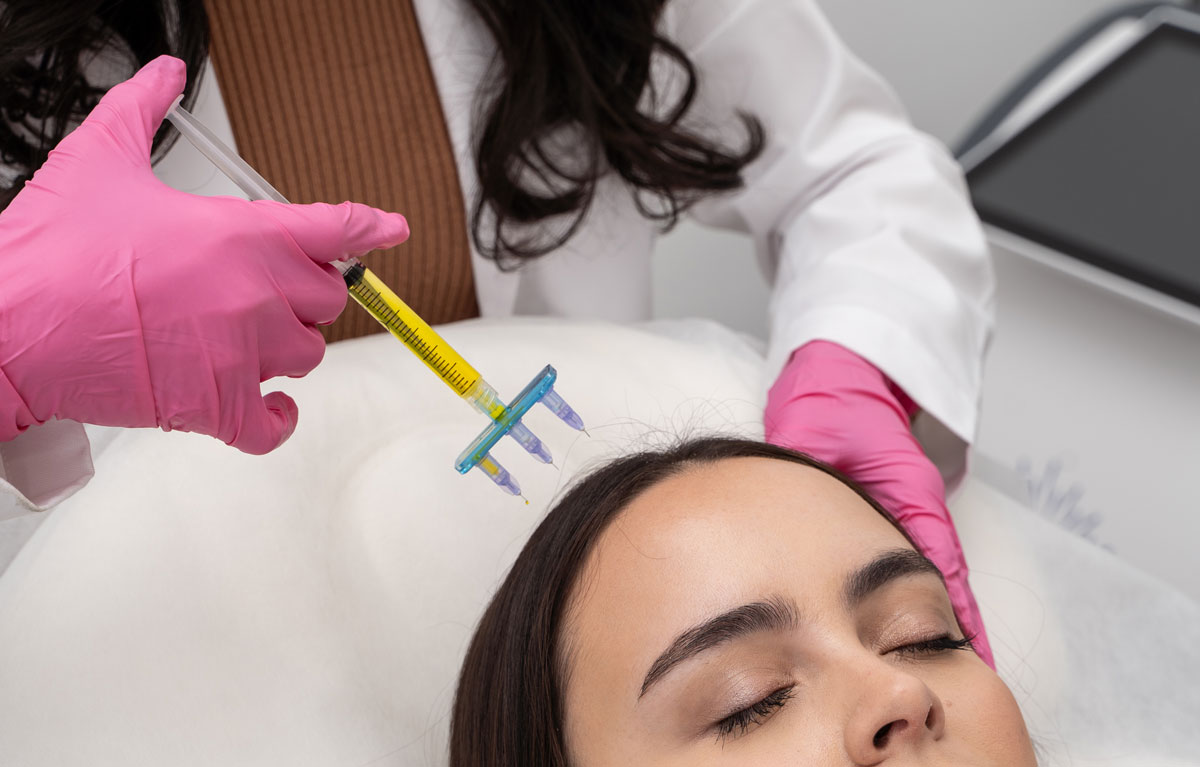
The process begins with a simple blood draw. Your blood is placed into a centrifuge, which separates and concentrates the platelets, creating platelet-rich plasma that’s rich in growth factors. This concentrated PRP is then strategically injected into areas of the scalp experiencing thinning or hair loss.
These naturally occurring growth factors help create a healthier environment for hair follicles by encouraging circulation, reducing inflammation, supporting tissue repair, and stimulating the hair growth cycle. Because PRP uses your body’s own platelets, it’s considered a natural, minimally invasive treatment with little to no downtime.
Why Does PRP Work for Hair Loss?
PRP works because it harnesses one of the body’s most powerful regenerative tools: your own platelets.
Platelets contain concentrated growth factors and signaling proteins that play an important role in healing and tissue regeneration. When injected into the scalp, these growth factors help stimulate weakened hair follicles, improve blood flow, reduce inflammation, and encourage follicles to remain in the active growth phase longer.
Rather than creating brand-new hair follicles, PRP helps revive follicles that are still alive but producing thinner, weaker hairs. By strengthening these existing follicles, PRP can help them produce thicker, healthier hair over time.
For many patients, this means:
- Reduced hair shedding
- Increased hair density
- Thicker, healthier hair strands
- Fuller-looking hair
- Improved overall scalp and hair health
Because hair grows in cycles, results develop gradually, becoming more noticeable over the weeks and months following treatment.
What Does the Science Say?
PRP isn’t simply a trend. It’s one of the most extensively researched regenerative treatments available for hair restoration.
Clinical studies have shown that PRP can improve:
- Hair density
- Hair thickness
- Hair shaft diameter
- Overall hair quality
- Active hair growth
Research has consistently found the strongest results in patients with male and female pattern hair loss, also known as androgenetic alopecia, particularly when treatment begins before significant follicle loss has occurred.
Like any medical treatment, results vary from person to person, but the growing body of evidence continues to support PRP as a safe and effective option for appropriately selected patients.
Who Is the Best Candidate for PRP Hair Restoration?
One of the biggest reasons PRP is successful is that it’s offered to the right patients.
You may be an excellent candidate if you have:
- Early to moderate hair thinning
- Female pattern hair loss
- Male pattern hair loss
- Increased daily shedding
- Hair thinning related to hormonal changes
- Hair loss following weight loss or GLP-1 medications
- Healthy hair follicles that are still active
The earlier hair loss is addressed, the greater the opportunity to strengthen existing follicles before permanent damage occurs.
This is why an evaluation by a board-certified dermatologist is so important. Understanding why you’re losing hair helps determine whether PRP is the right treatment or whether another therapy should be incorporated into your treatment plan.
How Long Does It Take to See Results?
Hair restoration requires patience because hair naturally grows in cycles.
While PRP begins working beneath the surface immediately, visible improvements happen gradually.
Many patients notice:
Within 1 to 2 Months:
- Less daily hair shedding
Within 3 to 4 Months:
- New growth begins to appear
- Hair feels stronger and healthier
Within 4 to 6 Months:
- Improved density
- Fuller-looking hair
- Increased thickness
Results continue to improve with additional treatments and proper maintenance.
How Many PRP Treatments Will I Need?
Hair restoration isn’t a one-time event. It’s a process.
Most patients benefit from an initial series of PRP treatments followed by maintenance sessions to help preserve results over time.
Your personalized treatment plan depends on several factors, including:
- Your age
- The cause of your hair loss
- Severity of thinning
- Scalp health
- Your long-term hair goals
At The Hair Lab by NicholsMD, every PRP treatment plan is customized after a comprehensive hair and scalp evaluation because no two patients experience hair loss the same way.
Can PRP Regrow Hair?
This is one of the most common questions we hear.
The answer depends on the condition of your hair follicles.
PRP is designed to strengthen and reactivate existing follicles, not create entirely new ones. If a hair follicle is alive but producing thinner, weaker hairs, PRP can often help stimulate healthier, thicker growth. If a follicle has been inactive for many years or has permanently stopped functioning, PRP alone is unlikely to restore hair in that area.
That’s why early treatment is one of the biggest predictors of success.
Can PRP Be Combined With Other Hair Restoration Treatments?
Absolutely, and in many cases, combination therapy produces the best outcomes.
Depending on your diagnosis, PRP may be combined with:
- Medical-grade hair growth supplements, like Nutrafol
- Prescription therapies when appropriate
- Red light therapy, like the Revian Hair Cap
- Scalp health treatments such as HydraScalp
- Nutritional optimization
- Lifestyle modifications
At NicholsMD, we believe the best hair restoration plans address both the symptoms and the underlying cause of hair loss.
Is PRP Safe?
Because PRP is created using your own blood, it’s considered an extremely safe treatment with virtually no risk of allergic reaction. Most patients experience minimal downtime and return to normal activities shortly after treatment. Some temporary scalp tenderness, redness, or mild swelling can occur following injections, but these effects typically resolve within a day or two.
Is PRP Worth It?
For patients experiencing early hair thinning, the answer is often yes.
Hair follicles naturally become weaker over time. Starting treatment before significant follicle loss occurs gives you the best opportunity to preserve your existing hair and encourage healthier growth.
While PRP isn’t a cure for every type of hair loss, it remains one of the most effective non-surgical options available for slowing hair thinning, reducing shedding, and improving overall hair quality.
Why Choose The Hair Lab by NicholsMD for PRP Hair Restoration?
Hair loss isn’t just about your hair. It’s about understanding why it’s happening.
At The Hair Lab by NicholsMD, our board-certified dermatology team takes a comprehensive approach to hair restoration. We evaluate your scalp health, medical history, hormones, nutritional status, lifestyle, and pattern of hair loss before recommending treatment.
Rather than offering a one-size-fits-all solution, we create personalized treatment plans that may include PRP, regenerative therapies, scalp treatments, medical-grade supplements, and advanced technologies designed to support healthier hair from the inside out.
Because the best results begin with the right diagnosis.
Frequently Asked Questions About PRP for Hair Loss
Does PRP hurt?
Most patients tolerate PRP very well.
Will I lose more hair before it grows back?
Some patients experience temporary shedding as hair follicles transition into a new growth cycle. This is generally short-lived and can be a normal part of the process.
Can PRP stop hair loss completely?
PRP can significantly reduce shedding and slow the progression of hair loss for many patients, but maintenance treatments are often recommended because the natural aging process continues.
Can women get PRP for hair loss?
Absolutely. PRP is not just for men! It is also one of the most popular non-surgical hair restoration treatments for women experiencing diffuse thinning, hormonal hair loss, postpartum shedding, or menopausal hair changes.
What is the success rate of PRP for hair loss?
Success depends on the underlying cause and stage of hair loss. Patients with early to moderate thinning and active hair follicles tend to see the best results, especially when PRP is started early and incorporated into a personalized treatment plan.
The Bottom Line: Does PRP for Hair Loss Really Work?
Yes, it does.
For patients with early to moderate hair thinning, PRP is one of the most well-studied, natural, and effective non-surgical hair restoration treatments available today. By harnessing your body’s own regenerative growth factors, PRP helps strengthen existing hair follicles, reduce shedding, and encourage thicker, healthier hair over time.
The key is starting treatment before hair follicles become permanently inactive and partnering with a board-certified dermatologist who can identify the underlying cause of your hair loss.
At The Hair Lab by NicholsMD, we combine advanced regenerative treatments with expert dermatologic care to create personalized hair restoration plans designed for long-term success.
Ready to take the first step toward healthier, fuller hair? Schedule a consultation with The Hair Lab by NicholsMD to learn if PRP hair restoration is right for you.