




















Nighttime should be when your skin resets, repairs, and rebalances. But for most people, bedtime routines are unintentionally working against their complexion. In fact, nearly 90% of acne flare-ups are triggered or worsened by common pre-bed mistakes that clog pores, spike inflammation, and disrupt the skin barrier, leading to more breakouts, redness, oil imbalance, and bacteria buildup overnight.
If you’ve been wondering, Why am I breaking out more even though I wash my face?, the answer often isn’t the products you’re using. It’s what’s happening around them.
The Top Nighttime Mistakes That Are Making You Break Out
1. Skipping the double cleanse after SPF or makeup
If you wore sunscreen, tinted SPF, foundation, concealer, or setting spray, a single cleanse is rarely enough. These formulas are designed to stay on your skin, which means they require an oil-based cleanse followed by a gel or cream cleanser to fully remove them. Not doing this traps sebum and P. acnes bacteria under a layer of leftover product, a perfect environment for overnight breakouts.
2. Applying skincare with dirty hands
People touch their phones, sinks, door handles, hair products, and pillows, then immediately apply nighttime serums or moisturizers. This transfers acne-triggering bacteria and oils directly into pores. Even clean hands aren’t enough. Hands should be washed right before product application.
3. Letting hair products touch the face
Leave-in conditioners, oils, styling gels, dry shampoo, hairspray, and mousse often contain comedogenic (pore-clogging) ingredients. When hair rests against the cheeks, forehead, or pillow, these ingredients migrate into the skin and can cause hairline acne, cheek breakouts, and forehead congestion.
4. Going to sleep with damp skin
Many assume applying products to wet skin increases hydration. That’s true for hyaluronic acid, but not for everything. Applying occlusive creams on damp skin without a proper hydrating serum underneath can trap bacteria and irritants. Worse, sleeping with damp skin alone allows fungus and bacteria to proliferate on the skin’s surface, leading to acne-like inflammation.
5. Sleeping on unwashed pillowcases
Oil, sweat, saliva, skincare residue, and bacteria accumulate quickly on fabric. Pillowcases should be washed AT LEAST once a week, butacne-prone patients may benefit from changing them nightly or every other night. Not doing so exposes skin to re-inoculating breakout triggers for 6-8 hours straight.
6. Over-exfoliating or using harsh actives without barrier support
Many rely on scrubs, acids, or retinoids nightly, assuming more = better. Without ceramides, cholesterol, fatty acids, or niacinamide to repair the barrier, over-exfoliation leads to irritation, inflammation, and compensatory oil production, worsening breakouts.
So What’s the Correct Order?
A breakout-safe, barrier-friendly nighttime routine should look like this:
- Oil-based cleanse (if SPF/makeup was worn)
- Gentle gel or cream cleanser for 30-60 seconds
- Hydrating serum to restore water balance
- Treatment serums (retinoids or acne actives 3-4 nights/week, not always nightly)
- Ceramide-rich or lipid-restoring moisturizer to protect and repair the barrier
Why This Matters for Acne-Prone Skin
Acne is driven by 4 core factors:
- Excess oil (sebum)
- Clogged pores
- Bacteria buildup
- Inflammation
Your skin barrier is your first defense against acne inflammation. If it’s disrupted before bed, breakouts become more frequent and more intense.
How NicholsMD Helps You Get It Right
At NicholsMD Dermatology, we specialize in acne prevention, skincare optimization, and post-treatment skin health. We combine science-backed dermatology, luxury medical-grade skincare, and customized treatment planning to help patients finally stop the cycle of congestion and irritation.
For patients struggling with persistent breakouts, we frequently incorporate:
- Vitamin C serums to reduce acne inflammation and support repair
- Ceramide-rich lipid balancers like SkinCeuticals Triple Lipid Restore 2:4:2
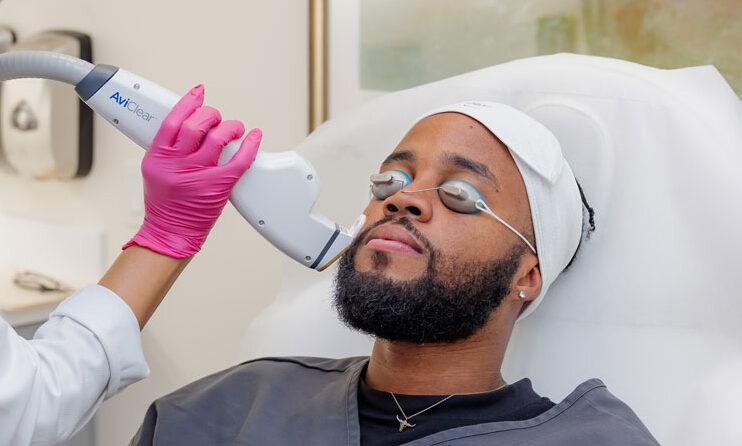
- Acne-correcting treatments including lasers, chemical peels, and medical-grade skincare
- Concierge wellness integrations to balance hormones, stress, and systemic inflammation when needed
The Bottom Line
Most people believe breakouts come from not washing their face. In reality, breakouts come from not washing enough, washing incorrectly, contaminating products, or disrupting the barrier before sleep. Once you correct these habits, your skin finally gets the chance to breathe, repair, and reset the way it was designed to.
Ready to Stop the Breakout Cycle?
Book your consultation today Whether you’re looking to clear acne, rebalance your barrier, or simplify your nighttime routine, our team of board-certified providers can create a plan tailored specifically for your skin goals and timeline.