



















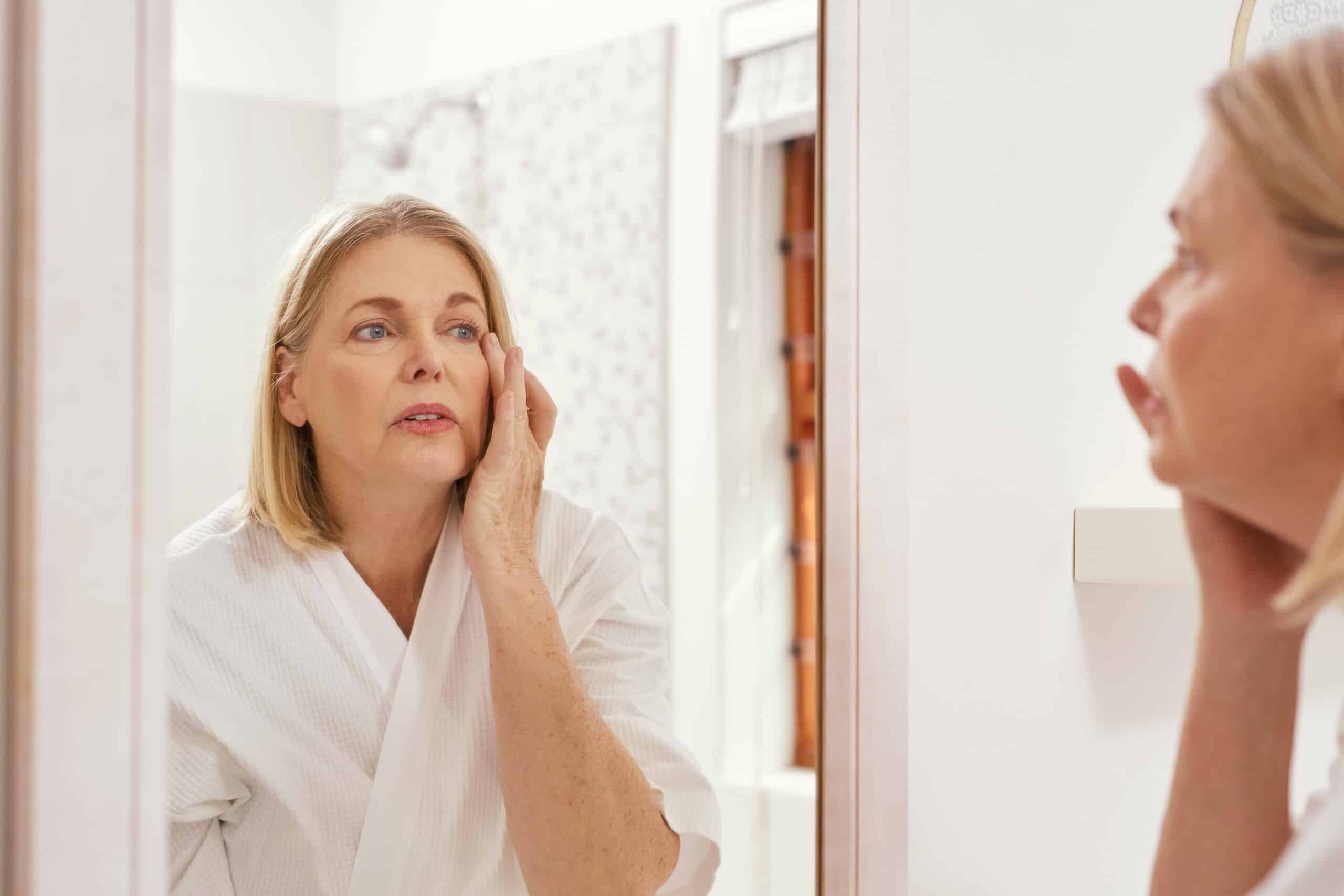
If you’ve found yourself looking in the mirror and wondering, “Why does my skin suddenly look different?” you’re not alone. Many women notice significant changes in their skin during perimenopause and menopause, often despite using the same skincare products and routines they’ve relied on for years. Skin may become drier, thinner, less firm, more sensitive, or even prone to breakouts seemingly overnight.
The good news? These changes are common, understandable, and often treatable. Understanding what is happening beneath the surface can help you make informed decisions about your skincare routine and treatment options.
What Happens to Your Skin During Menopause?
Menopause is marked by a decline in estrogen, one of the hormones responsible for maintaining healthy, youthful-looking skin. Estrogen plays an important role in:
- Collagen production
- Skin thickness
- Hydration
- Elasticity
- Wound healing
- Oil production
- Overall skin quality
As estrogen levels decrease, the skin begins to undergo structural changes that can affect its appearance and function. Research has shown that women can lose up to 30% of their skin’s collagen within the first five years after menopause, with continued collagen decline occurring thereafter. As a result, skin often becomes thinner, less elastic, and more prone to visible signs of aging.
Why Does My Skin Feel So Dry During Menopause?
One of the most common complaints during menopause is dry skin.
As hormone levels change, the skin produces less oil and becomes less efficient at retaining moisture. This can lead to:
- Tightness
- Flaking
- Rough texture
- Increased sensitivity
- Dullness
Women who never struggled with dry skin before may suddenly find that their favorite products no longer provide enough hydration.
What Can Help?
Look for products that support the skin barrier and help replenish moisture, including ingredients such as:
- Hyaluronic acid
- Ceramides
- Glycerin
- Peptides
- Growth factors
Professional treatments that support hydration and skin quality may also help restore a healthier, more radiant appearance.
Why Is My Skin Suddenly Less Firm?
Many women notice sagging, loss of definition, or a less “lifted” appearance during menopause. This occurs because declining collagen and elastin levels reduce the skin’s ability to maintain structure and resilience.
Common concerns include:
- Jawline softening
- Jowls
- Neck laxity
- Loss of cheek volume
- Fine lines and wrinkles
While these changes are a natural part of aging, there are a variety of options available to help support collagen production and improve skin firmness.
Why Are My Wrinkles Getting Worse So Quickly?
Wrinkles often seem to accelerate during menopause because multiple factors are occurring simultaneously:
- Collagen loss
- Reduced elasticity
- Decreased hydration
- Volume loss
- Slower cell turnover
Together, these changes can make fine lines appear deeper and more noticeable than before. Many women find that treatments focused on collagen stimulation, skin resurfacing, and overall skin quality become increasingly important during this stage of life.
Why Am I Breaking Out During Menopause?
It may seem unfair, but menopause can bring acne right alongside wrinkles. As estrogen declines, the relative influence of androgens increases. This hormonal shift can contribute to:
- Increased breakouts along the jawline and chin
- Oily skin
- Persistent adult acne
- Inflammation
Hormonal acne during menopause is extremely common and often requires a different treatment approach than teenage acne.
Why Do My Pores Look Bigger During Menopause?
Many women notice that their pores appear larger or more visible during midlife.
This can happen for several reasons:
- Loss of skin elasticity
- Collagen depletion
- Changes in oil production
- Slower cellular turnover
As the surrounding skin loses support, pores may appear more prominent.
Treatments that improve collagen production and overall skin quality can often help minimize the appearance of enlarged pores.
Why Does My Skin Look Dull?
Healthy, youthful skin naturally renews itself on a regular basis. During menopause, this renewal process slows.
As dead skin cells accumulate on the surface, skin can appear:
- Dull
- Rough
- Uneven
- Less radiant
Professional exfoliation, customized skincare, and treatments that encourage cellular turnover can help restore a brighter, healthier-looking complexion.
Menopause Affects More Than Just Your Skin
Many women are surprised to learn that menopause can also affect:
- Hair density
- Scalp health
- Body composition
- Energy levels
- Sleep quality
- Overall sense of well-being
Because these changes are often interconnected, addressing them holistically can be an important part of feeling and looking your best during midlife.
What Are the Best Treatments for Menopausal Skin?
The right treatment plan depends on your specific concerns, skin type, and goals.
For many women, a comprehensive approach may include:
- Medical-grade skincare
- Neuromodulators such as Botox
- Collagen-stimulating treatments
- Laser treatments
- Radiofrequency microneedling
- Skin quality treatments and skin boosters
- Hormonal optimization when appropriate
The most effective plans are personalized rather than one-size-fits-all.
The Bottom Line
If your skin feels different during menopause, you’re not imagining it. Changes in hydration, collagen production, elasticity, pigmentation, acne, and overall skin quality are all common as estrogen levels decline. While these changes are a natural part of aging, there are more options than ever to help support healthy, vibrant skin during this stage of life.
At NicholsMD, we believe menopause should not mean settling for skin that no longer reflects how vibrant you feel. Through personalized skincare recommendations, advanced dermatologic treatments, and a comprehensive approach to healthy aging, we help women navigate midlife skin changes with confidence.
Frequently Asked Questions
At what age does menopause start affecting your skin?
Many women begin noticing changes during perimenopause, which can start in their 40s, although timing varies from person to person.
Does menopause cause dry skin?
Yes. Declining estrogen levels can reduce oil production and impair the skin’s ability to retain moisture, leading to dryness and increased sensitivity.
Why do I suddenly have acne during menopause?
Hormonal fluctuations can increase the influence of androgens, which may contribute to adult acne and breakouts, particularly along the jawline and chin.
Can menopause make your skin sag?
Yes. Reduced collagen and elastin production can contribute to skin laxity, volume loss, and a less defined appearance.
What is the best skincare routine for menopausal skin?
Most menopausal skin benefits from a focus on hydration, barrier repair, collagen support, antioxidant protection, and daily sunscreen use. We also love the Emepelle Serum and Cream to help improve the appearance of Estrogen Deficient Skin, specifically.
Can menopausal skin be improved?
Absolutely. A combination of medical-grade skincare, professional treatments, and personalized recommendations can significantly improve skin quality and address many common concerns associated with menopause.