




















In the world of aesthetics and wellness, the term “microdosing” has become a trendy buzzword – from microdosing skincare and retinoids to injectables like Botox and even GLP-1 medications. The idea sounds appealing: use tiny, frequent doses to achieve gentle results with fewer side effects. But when it comes to dermatology and medical treatments, this “less is more” approach can actually undermine your results – and your safety.
1. Evidence-Based Dosing Matters
Prescription-strength skincare ingredients and medications are clinically tested at specific doses to deliver safe, measurable outcomes. When you use too little – or use it inconsistently – your skin doesn’t get the therapeutic benefit it needs. You may still experience irritation, yet never see visible improvements.
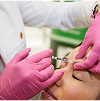
The same applies to in-office treatments like Botox or Dysport. Microdosing these injectables often leads to unpredictable or short-lived results, requiring more frequent touch-ups and costing you more in the long run.
2. The Dangers of Microdosing GLP-1 Medications
Medications such as semaglutide (Ozempic®) and tirzepatide (Mounjaro®) are designed to be taken at specific, research-backed doses. Reducing or self-adjusting your dose without medical supervision can cause nausea, blood sugar fluctuations, resistance, or rebound weight gain – while completely negating their metabolic and cardiovascular benefits.
At NicholsMD, our Longevity and Wellness Programs carefully monitor dosing and progress to help you achieve sustainable results, not quick fixes.
3. Hair Loss Treatments: Minoxidil Needs Precision
Whether used topically or orally, minoxidil works best when taken at evidence-based doses that balance safety and efficacy. Microdosing often leads to the worst of both worlds – too weak to stimulate meaningful hair growth, yet still strong enough to cause side effects like scalp irritation or shedding cycles.
4. Accutane (Isotretinoin) Is Not for Guesswork
As one of the most powerful acne treatments available, Accutane must be prescribed at the correct dose and duration under dermatologic supervision. Microdosing isotretinoin may fail to clear acne completely, increase your risk of side effects, and prolong exposure without benefit.
At NicholsMD, each Accutane course is customized and monitored monthly to ensure clear, lasting results with minimal risk.
5. The Bottom Line: Skip the Shortcuts
In aesthetics, “microdoing” might sound harmless, but it’s often a shortcut that leads to disappointment. Science, not guesswork, delivers real results. As Dr. Nichols emphasizes:
“My goal is always to deliver safe, lasting, and beautiful results – using evidence-based dosing tailored to your unique needs.”
If you’re considering any skincare, injectable, or wellness treatment, book a conultation with our Team today.